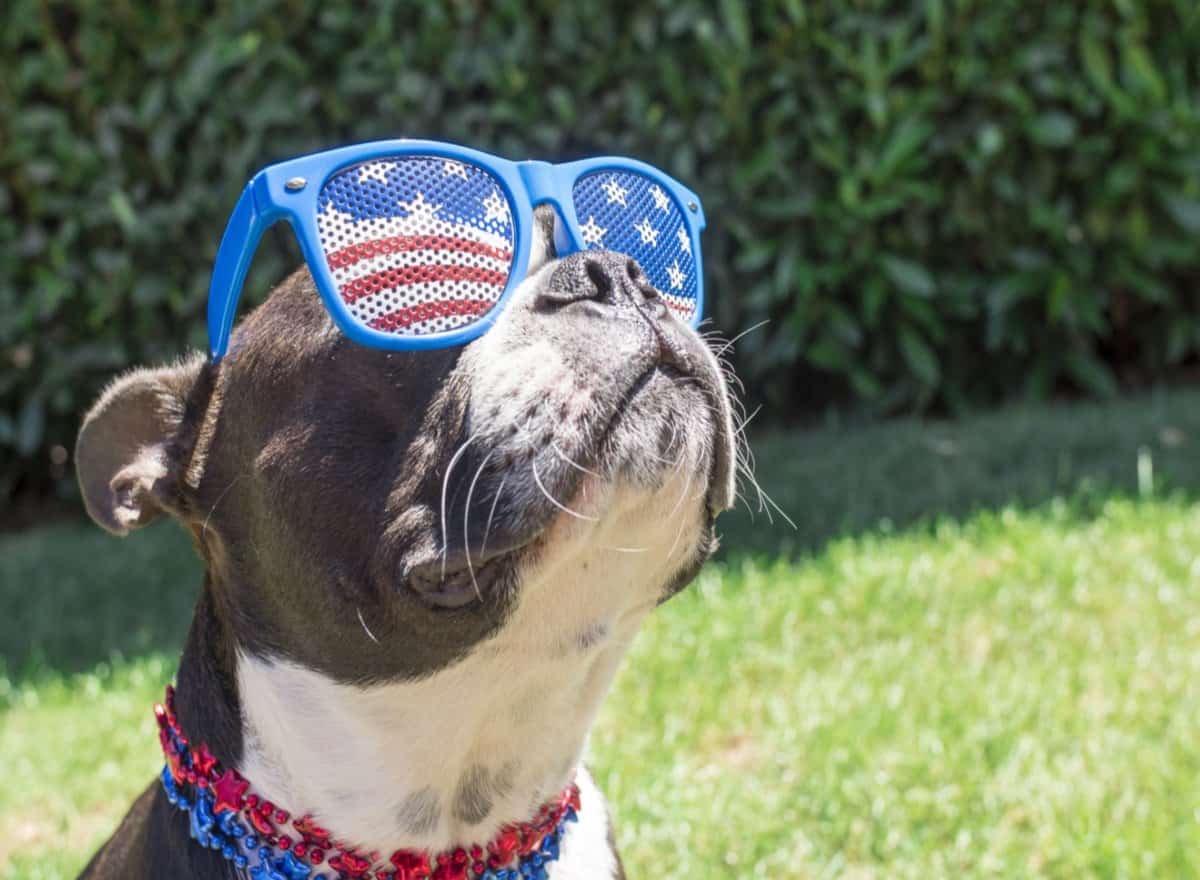
Celebrations, backyard barbecues, and fireworks are part of the Fourth of July holiday. While fireworks are one of the main events people look forward to, many dogs experience severe anxiety and stress from the noise.
Whether fireworks are set off in your own neighborhood or you only hear city displays in the distance, your dog can still react with fear. Planning ahead makes a major difference.
Here are practical tips to help keep your dog calm on the Fourth of July.
Keep Your Dog Indoors
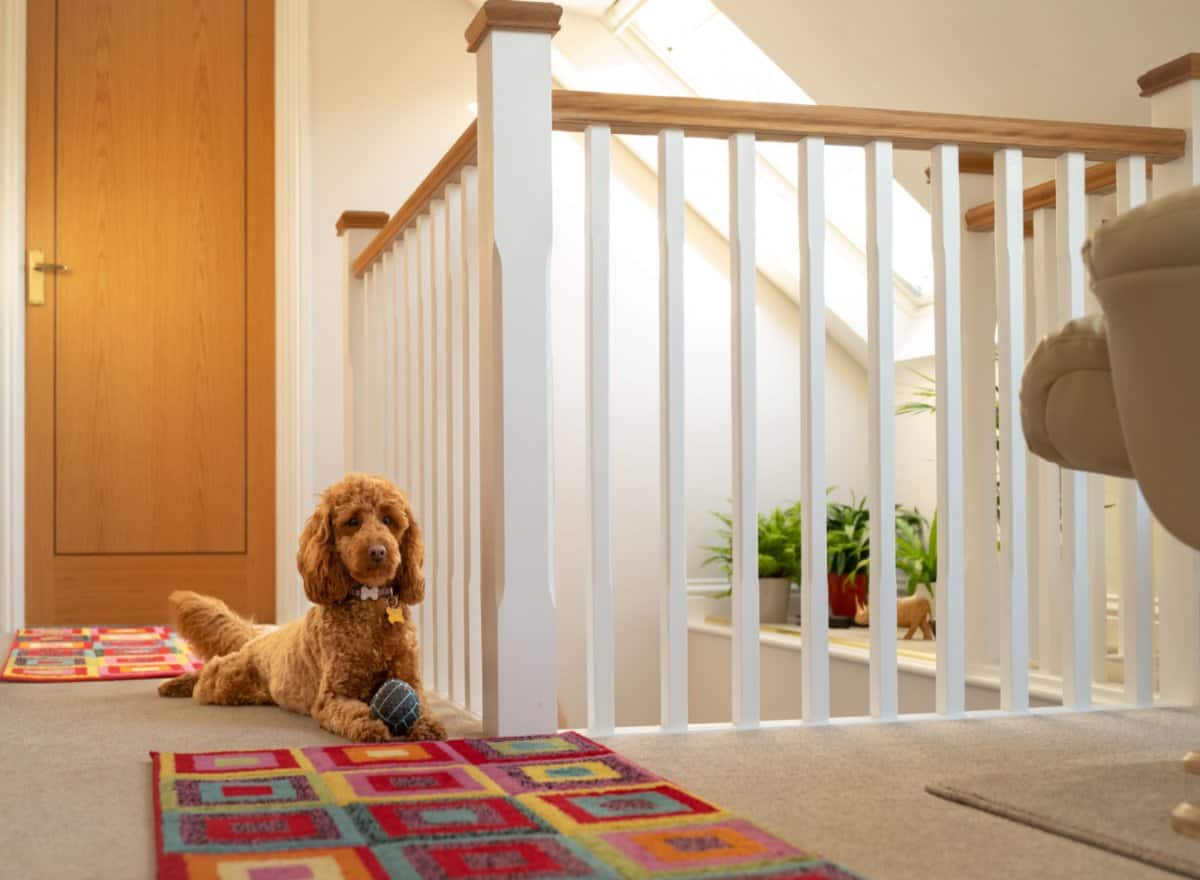
Keeping your dog inside immediately lowers risk and usually lowers stress. Dogs naturally seek den-like safety, and your home gives them hiding spots and familiarity. If your dog is crate trained, an indoor crate can also help them feel secure.
Indoor safety also protects dogs from stray fireworks and unsafe behavior in the neighborhood. Even if your area feels calm, keeping your dog inside is the safest baseline plan.
Stay Home with Your Dog
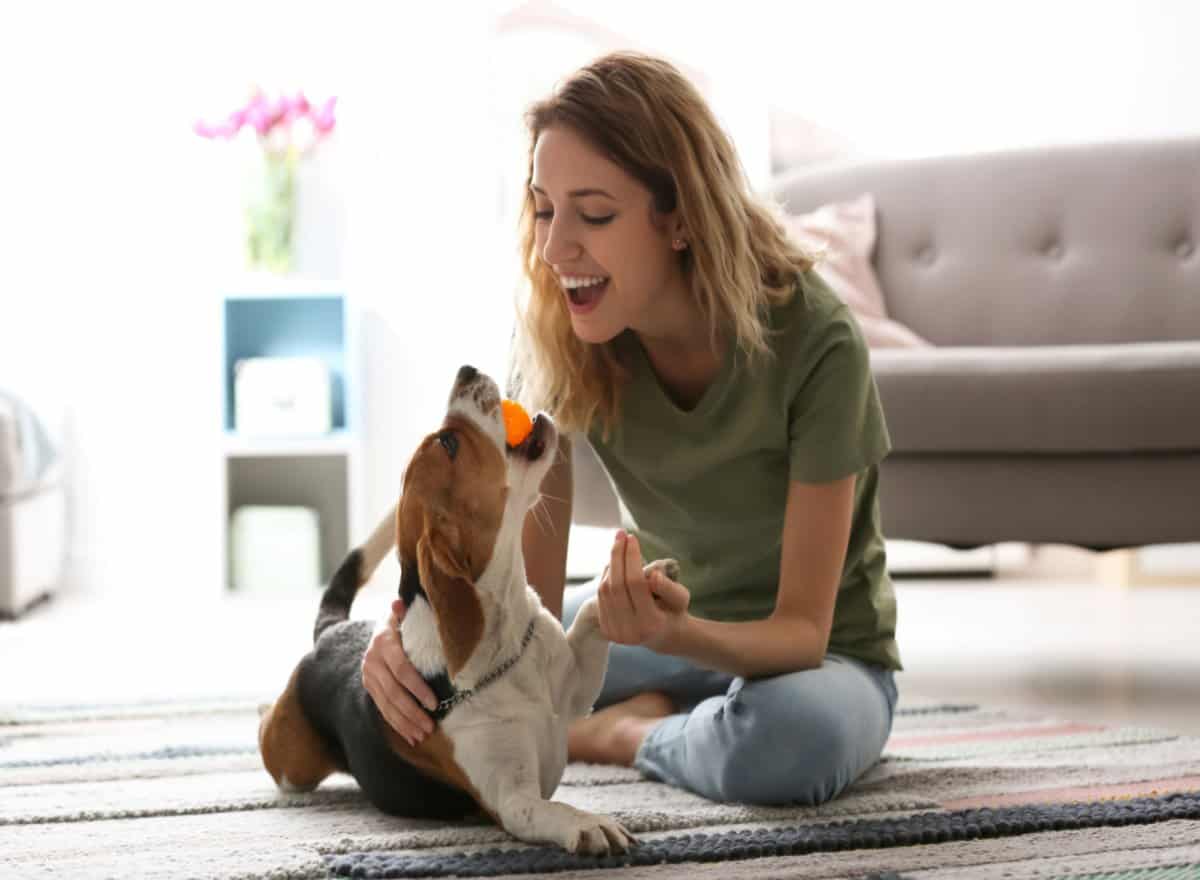
If your dog has strong noise anxiety, staying home is often the best choice. Your presence gives reassurance and helps prevent panic behaviors.
If you decide to go out, return before fireworks start. If you bring your dog to a gathering, confirm permission in advance and check whether there are house rules your dog must follow.
Exercise Your Dog Before the Festivities Begin
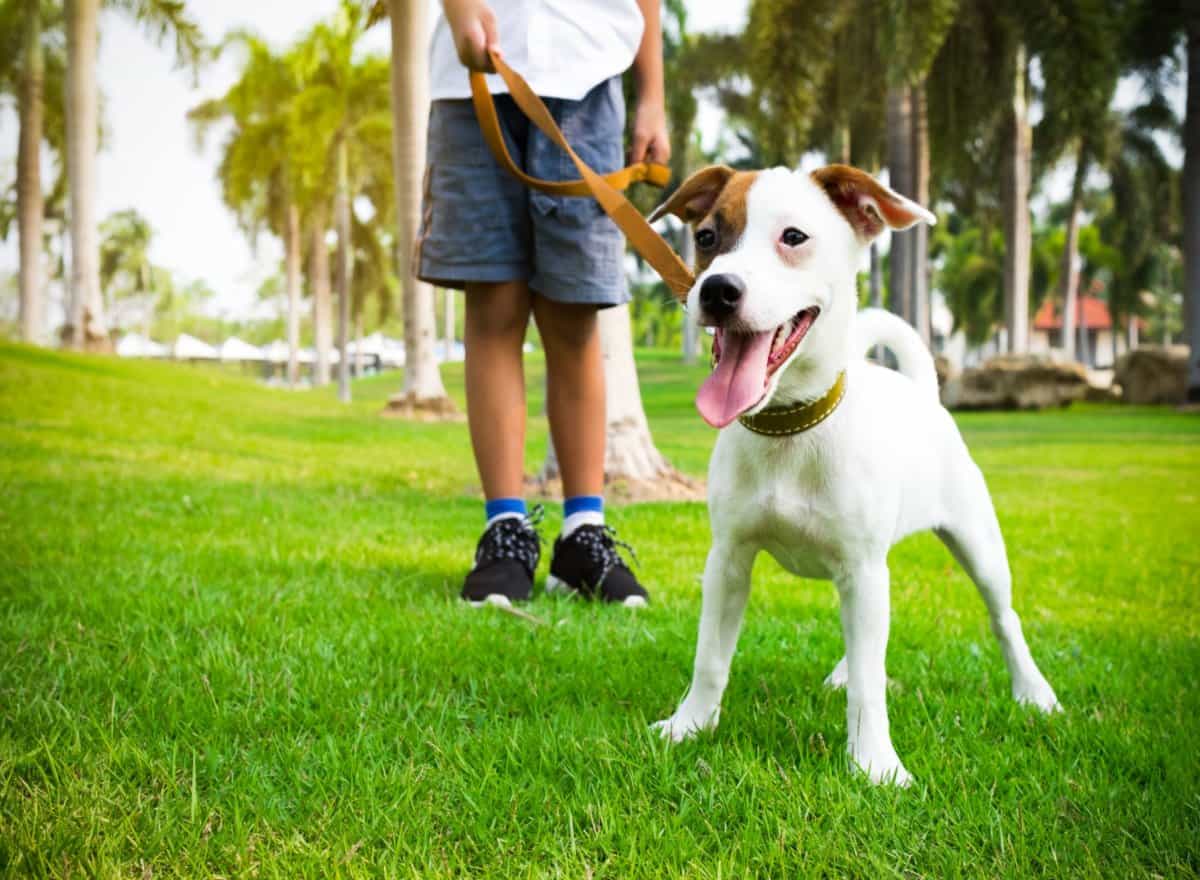
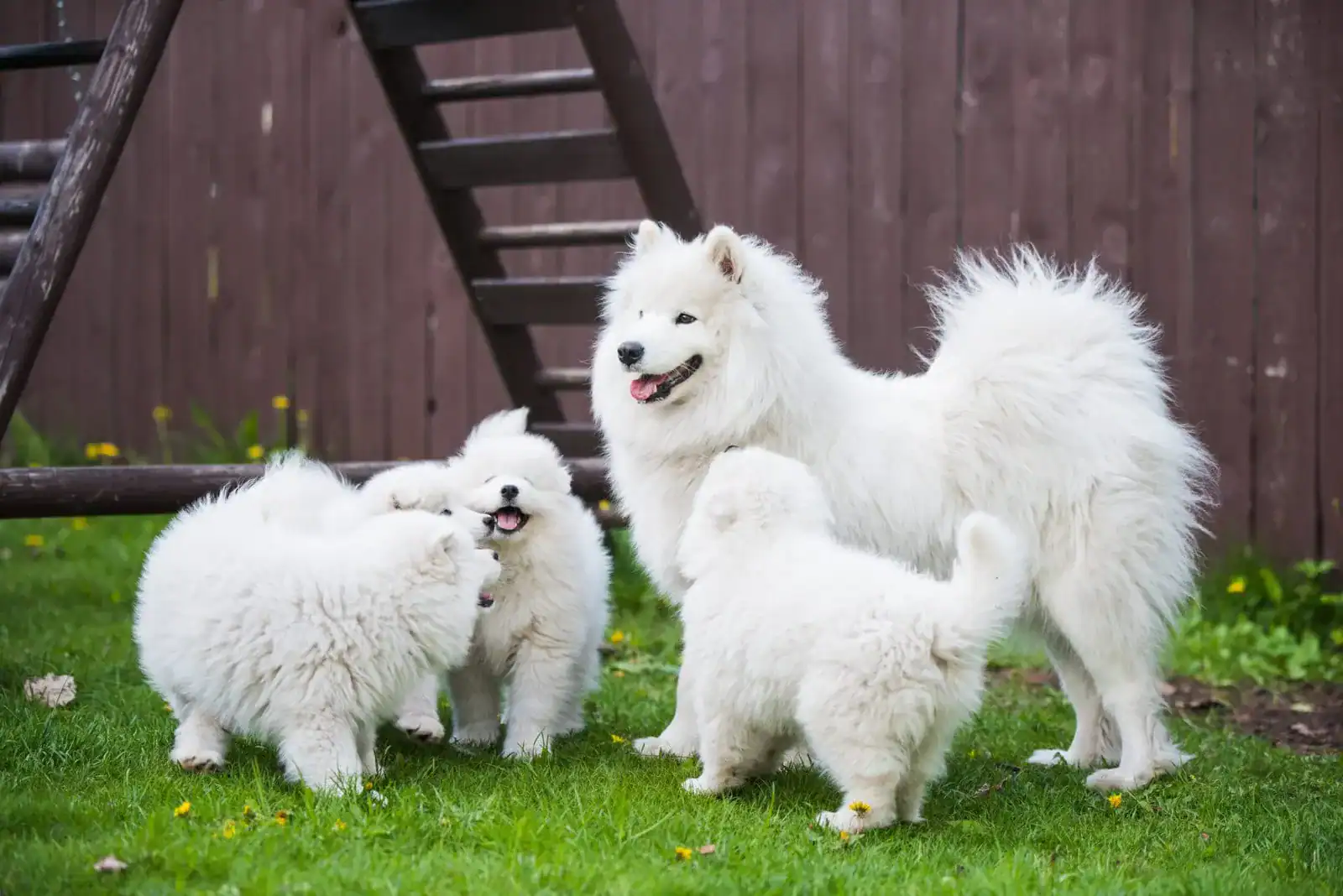
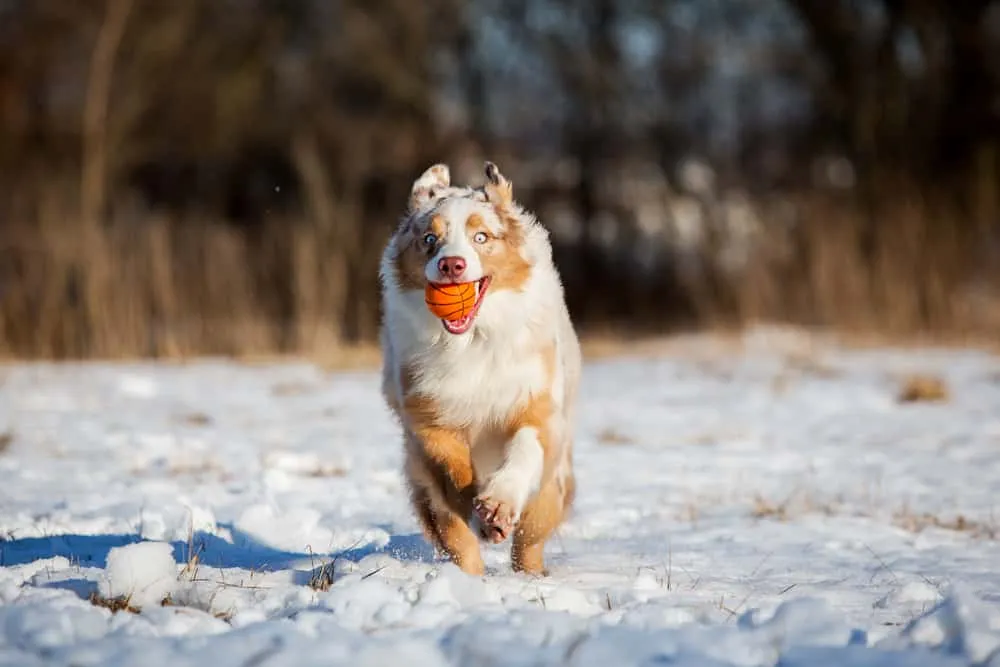
Give your dog extra activity earlier in the day so they release energy before the evening noise starts. A tired dog is generally calmer and more likely to rest.
You can use a longer walk, a hike, swimming, fetch, or social play at a park. Physical and mental stimulation during the day can help your dog stay more balanced later at night.
Create a Safe Place for Your Dog

Set up a dedicated corner with your dog's bed, favorite toys, blankets, food, and water. This gives your dog a predictable place to settle while fireworks are active.
A smaller room such as a laundry room or bedroom can feel more den-like and reduce stimulation compared with open living areas.
Muffle the Fireworks Sound
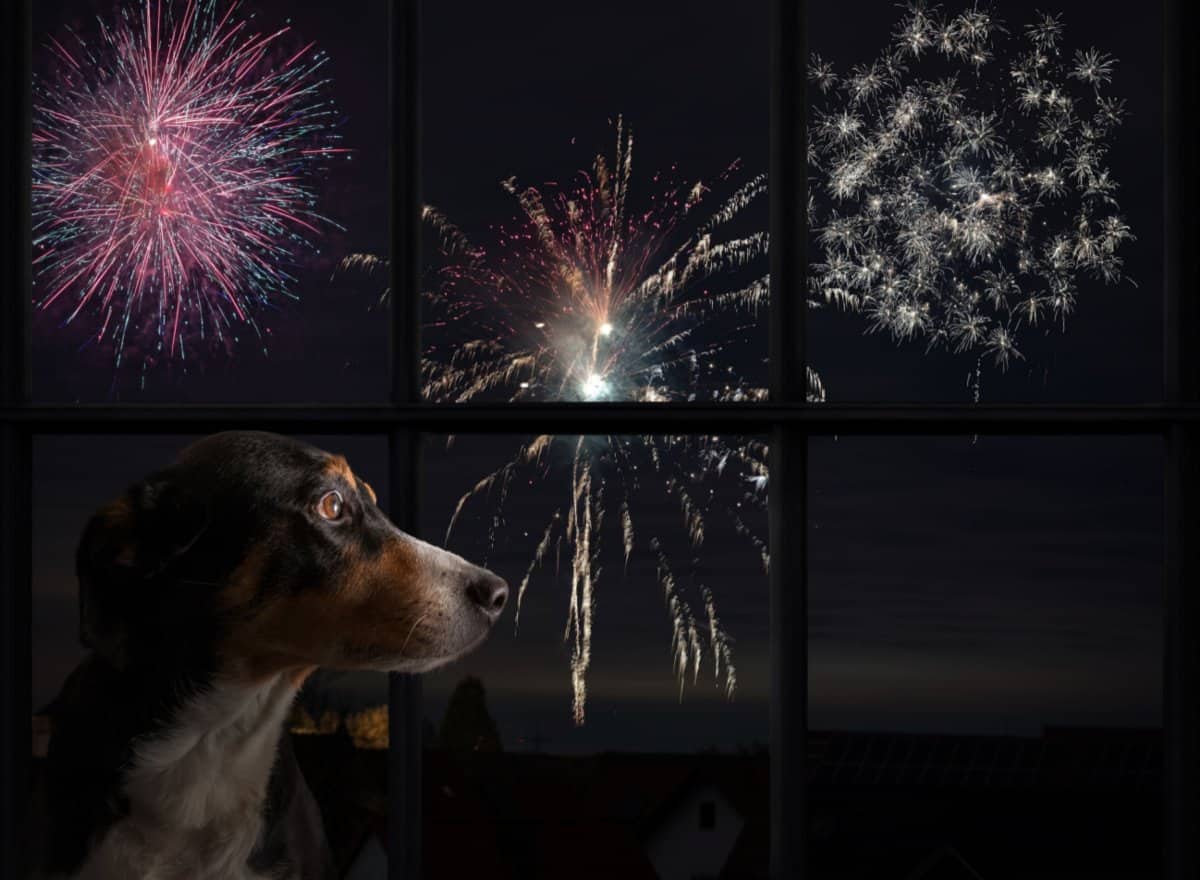
Use music, TV, or white noise to reduce how sharply fireworks sounds stand out. Classical music can be soothing for some dogs, while other steady background audio may mask loud bursts better.
This is especially useful if your dog must stay home alone, but direct supervision is still safer for dogs with severe fear responses.
Final Reminder
Dogs with fireworks anxiety can panic quickly and may run, chew, scratch, or injure themselves trying to escape noise. A clear Fourth of July plan helps prevent that stress spiral.
Set up your dog's safe environment before sunset, and prioritize calm routines. The goal is simple: reduce fear and keep your dog safe.