Stop. Before you open your banking app or send that money transfer, read this. You're about to enter the most dangerous phase of buying a pet online—the moment scammers strike hardest.
Legitimate sellers never ask for Western Union transfers, gift cards, or "refundable insurance fees." If you're seeing any of these requests, you're talking to a criminal, not a pet owner.
Every year, thousands of hopeful buyers get tricked by sophisticated scammers. These aren't just obvious fakes—they are psychological traps designed to target your emotions. Even smart, careful people fall for them because scammers have perfected the art of exploiting our love for animals and our desire to help.
They create compelling stories, use professional-looking websites, and know exactly what to say to make you trust them. The heartwarming military deployment story, those perfect puppy photos, the urgent need to "rehome quickly"—all calculated moves to bypass your critical thinking.
You Don't Know This Person—Start There
This seller is a username on a screen. They could be anyone. In any country.
Until you see that animal breathing on live video, they don't exist. Trust is for family. Transactions need proof.
That heartwarming story about military deployment? Fake. Those professional photos? Stolen from Instagram. The urgent need to "rehome quickly"? A timer designed to shut off your brain.
Real pet sellers get this. They know scammers are everywhere and they appreciate careful buyers. Criminals hate verification—they'll pressure you to "just trust them."
Here's what they're counting on: your politeness. Your excitement. Your fear of seeming rude.
Get over it.
No Video Call = No Deal (The 95% Filter)
This single step kills almost every scam instantly. Scammers don't have the animals they're selling. They have stolen photos and sob stories.
When you demand live video, they either vanish or make excuses.
What to Actually Say (The "Real Person" Script)
"Hey, I'm really interested in the puppy. Can you FaceTime me real quick? I just want to see him moving around before I drive out there."
Real sellers say yes immediately. They're proud of their animals.
Scammers give you the runaround:
- "My camera is broken"
- "I'm traveling right now"
- "The puppy is sleeping at the vet"
- "Signal is bad for video here"
Don't negotiate. Don't accept photo updates. Video or walk away.
The "Bad Internet" Exception (Rural & Amish Sellers)
We know some legitimate sellers live in rural dead zones or belong to communities (like the Amish) with limited technology. They might not have the signal or the smartphone required for FaceTime.
However, if they managed to post the ad online, they have access to a camera.
If a video call is impossible, demand the "Code Word Photo" instead. Ask them (or their helper) to write a specific phrase (like your name + today's date) on a piece of paper and take a photo of it next to the animal. If they can't do video and refuse to send a specific photo, walk away.
Even During Video Calls—Stay Suspicious
Advanced scammers sometimes use old recordings they found online. Test them:
- Make them interact: "Can you scratch behind his ears right now?"
- The name test: Ask them to say your name while holding the animal
- Check the background: Does it match where they claim to live?
Pre-recorded videos can't pass these tests.
Payment Methods—Where Your Money Dies Forever
Different payment methods = different levels of protection. Choose wrong and your money vanishes into thin air.
The "Instant Death" List
Never, ever send money through:
- Western Union/MoneyGram: Cash pickup anywhere in the world. Zero protection. Once you send it, it's gone.
- Gift cards: Amazon, iTunes, Google Play. Scammers drain these in minutes.
- Bitcoin: Anonymous and permanent.
If someone asks for these, you're talking to a criminal. Period.
The "Danger Zone"—Zelle, CashApp, Venmo
These work fine for splitting dinner with friends. Terrible for buying pets from strangers.
Why? No buyer protection. Money moves instantly. Banks won't help you recover it.
Only use these if you're standing next to the person and the animal.
What Actually Protects You
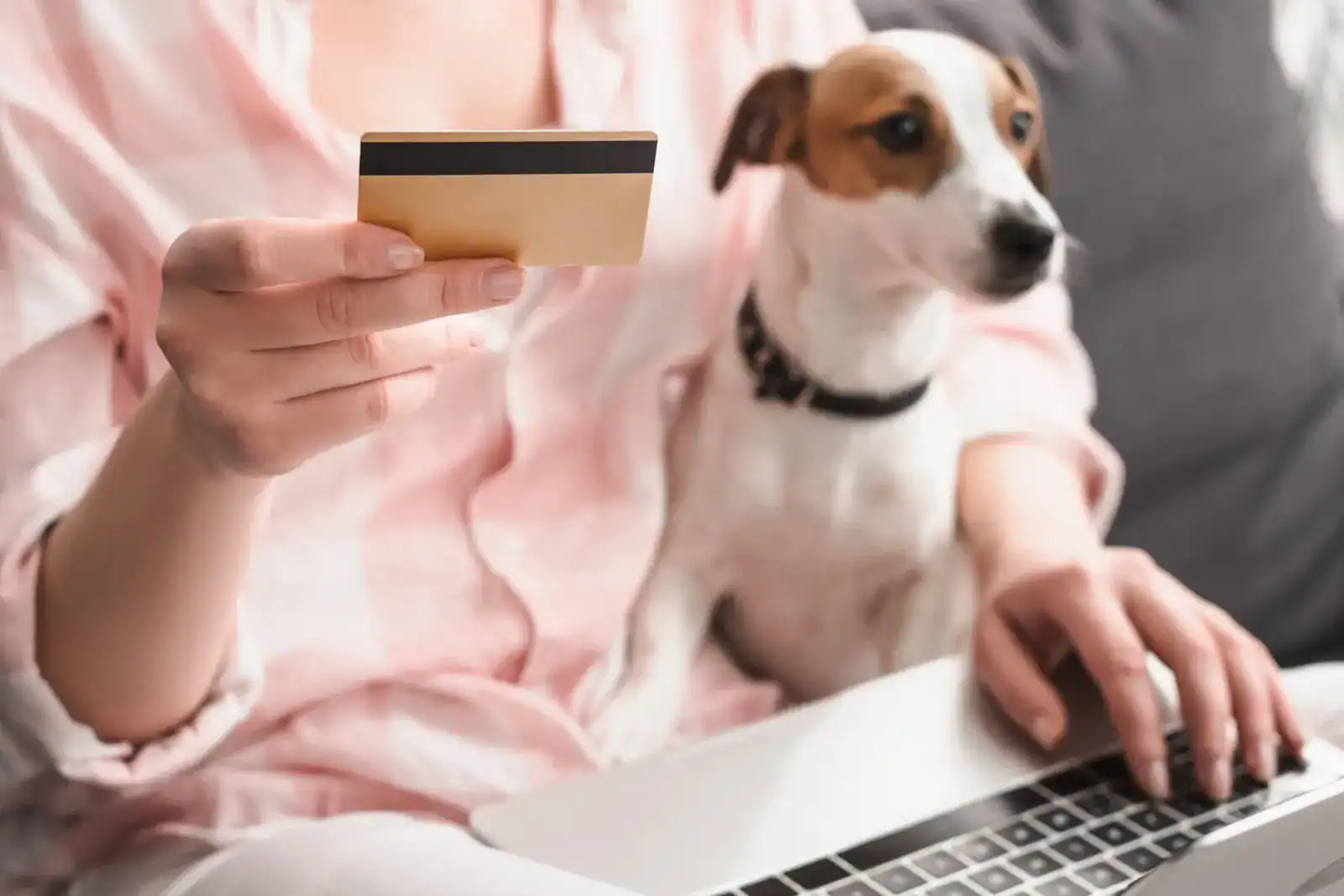
Credit cards: Your best defense. Card companies investigate fraud and reverse charges.
PayPal Goods & Services: Buyer protection, but only if you select "Goods & Services"—not "Friends & Family."
Cash at pickup: Obviously the safest when meeting locally.
The Google Voice Identity Theft Trick
This one's fooling thousands of buyers every month.
Here's how it works:
You respond to a pet ad. The "seller" says they need to "verify you're real" before sharing details. They ask for your phone number.
You get a text with a 6-digit code from Google Voice. They ask you to share this code to "prove you're legitimate."
Don't do it. That code creates a Google Voice account in your name. Scammers use it to call other victims—making their calls look like they're coming from your real number.
Real pet sellers don't need to verify your identity through Google.
The "Pet Hostage" Shipping Scam
This one hits you after you think everything's legitimate.
You agree on a price. They send official-looking airline paperwork. Everything seems fine.
Then—hours before "delivery"—you get an emergency call. A "shipping company" claims your pet needs a special climate-controlled crate due to weather. Cost: $500-$1,500. "Fully refundable upon delivery."
They create fake urgency: "The plane leaves in two hours. Without this upgrade, your pet could die."
Think about it: Delta and American Airlines are not in the business of renting dog crates. They're airlines. If a shipper asks you for money for a "crate upgrade," it's a lie. Real airlines require you to provide the crate.
How Scammers Sound—The Dead Giveaways
Criminals follow scripts designed to bypass your logic and hit your emotions.
The Greatest Hits Collection
- Military deployment: "I'm being deployed and can't take Rex..."
- Family tragedy: "My daughter passed away and I can't look at her dog..."
- Moving emergency: "Relocating for work, can't find pet-friendly housing..."
- Breeding retirement: "Getting out of breeding, need to rehome our last puppies..."
These stories aren't automatically fake—but scammers use them constantly. Trigger extra verification when you hear them.
Scammer Pressure Tactics
- Fake urgency: "Three other families want him. Decide today."
- Emotional manipulation: "This puppy was abandoned before..."
- Trust demands: "I'm a Christian family. You can trust us."
- Price deflection: "Money isn't important. I just want the right family."
Watch for weird religious phrases inserted into business talks. Like "God bless you for adopting this angel" or over-sharing about their "mission work." Real sellers talk about vet bills and food brands—not their souls.
Red Flag Communication Patterns
Grammar That Gives Them Away
Many pet scams run from overseas. Look for:
- Awkward phrasing
- Generic responses that don't answer your specific questions
- Inconsistent details about location
They Hate Your Questions
Scammers avoid verification:
- Won't provide more photos from different angles
- Refuse phone calls
- Can't answer specifics about the pet's behavior
- Push for immediate payment
Your Pre-Payment Checklist
Before sending any money, complete every item:
Must-Have Verification
- Completed live video call showing pet and seller interaction
- Verified seller's phone number through reverse lookup
- Called their vet to confirm the dog is a patient
- Got references from previous buyers
- Set up a payment method that has my back (Credit Card/PayPal)
Communication Test
- Asked specific questions about the pet's personality
- Requested additional photos in different settings
- Confirmed pickup details match their claimed location
- No pressure tactics or rushed decisions
Local vs. Distance—Different Strategies
Meeting Locally (Safest Option)
- Home vs. Public Meeting: Seeing the home environment is ideal to spot puppy mills. However, for personal safety, many honest sellers prefer meeting at a police station or public lot. This is okay ONLY IF you have already verified the home environment via video call or the "Code Word Photo" previously.
- Check the environment: Clean spaces = responsible ownership
- Meet parent animals: This confirms they aren't brokers. Read our Reputable Breeder Checklist for exactly what to look for.
- Ask for health records: Vaccines, vet relationships
Long-Distance Purchases
- Research their area: Use Google Street View to verify addresses
- Contact airlines directly: Verify shipping policies
- Require health certificates: Real shipping needs vet documentation
- Expect delays: Weather and logistics problems are normal
If You Get Scammed—Act Fast
Immediate steps:
- Call your bank/credit card company now
- File a police report with all evidence
- Report the incident to the FTC at ReportFraud.ftc.gov. Important: PetClassifieds is an official Data Contributor to the FTC Consumer Sentinel Network. Reporting fraud helps us collaborate with law enforcement to shut these rings down.
- Save every message and photo
Credit card chargebacks work best. Bank fraud departments sometimes freeze transfers. Document everything.
Using PetClassifieds Safely
We spend all day fighting scammers, but they're relentless. You are the last line of defense.
Check their profile age. A brand new account selling a puppy requesting $250 deposit is a red flag. Look for sellers with featured listings—they had to provide payment information to us.
Shelters and Rescues
Look for:
- Check their profile age and reviews
- In-person meetings before commitment
- Papers that prove shots and deworming
- Behavioral assessments
Checking Breeders
Verify they offer:
- Kennel club registrations
- Local presence and reviews
- References from previous buyers
- Health testing documentation
Common Questions
Is Zelle safe for buying a puppy?
No. Zero buyer protection. Only use if you're standing in front of the seller and the animal.
Can sellers ask for refundable insurance crate fees?
No. This is always a scam. Airlines don't charge "refundable" anything.
Final Reality Check
Scammers bank on your politeness. They know you feel rude asking for ID. They know you feel awkward demanding a video call.
Get over it.
Being "rude" saves your money. If they're real, they won't mind. If they're fake, they'll run.
Don't be nice to strangers asking for money. Be suspicious. Ask questions. Demand proof.
The right seller won't get offended—they deal with these scammers too, and they hate them just as much as you do.