
Pedigree Complete Nutrition Grilled Steak & Vegetable Flavor Dog Kibble Adult Dry Dog Food, 40-lb bag
Dogs bring out the good in us, and Pedigree dog food brings out the good in them. Show you...




Dogs bring out the good in us, and Pedigree dog food brings out the good in them. Show you...
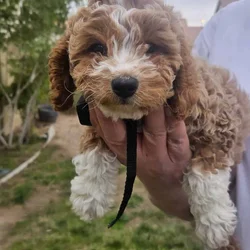
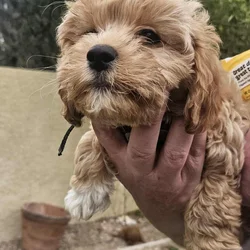
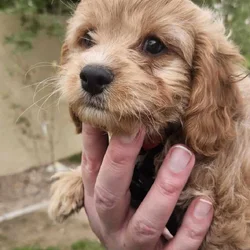
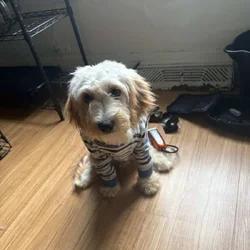
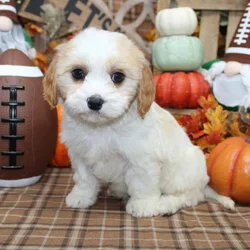


Breeders of small hybrid dogs often seem to have one goal in mind. That is to make each breed more charming and adorable than the last. The Cavachon satisfies the growing demand for these small designer dogs with its fun-loving personality and Teddy bear-like appearance. Anyone with an active family that has children that know how to be gentle around a small, playful dog, can consider a Cavachon. Cavachons are easy-going and engaging household companions.
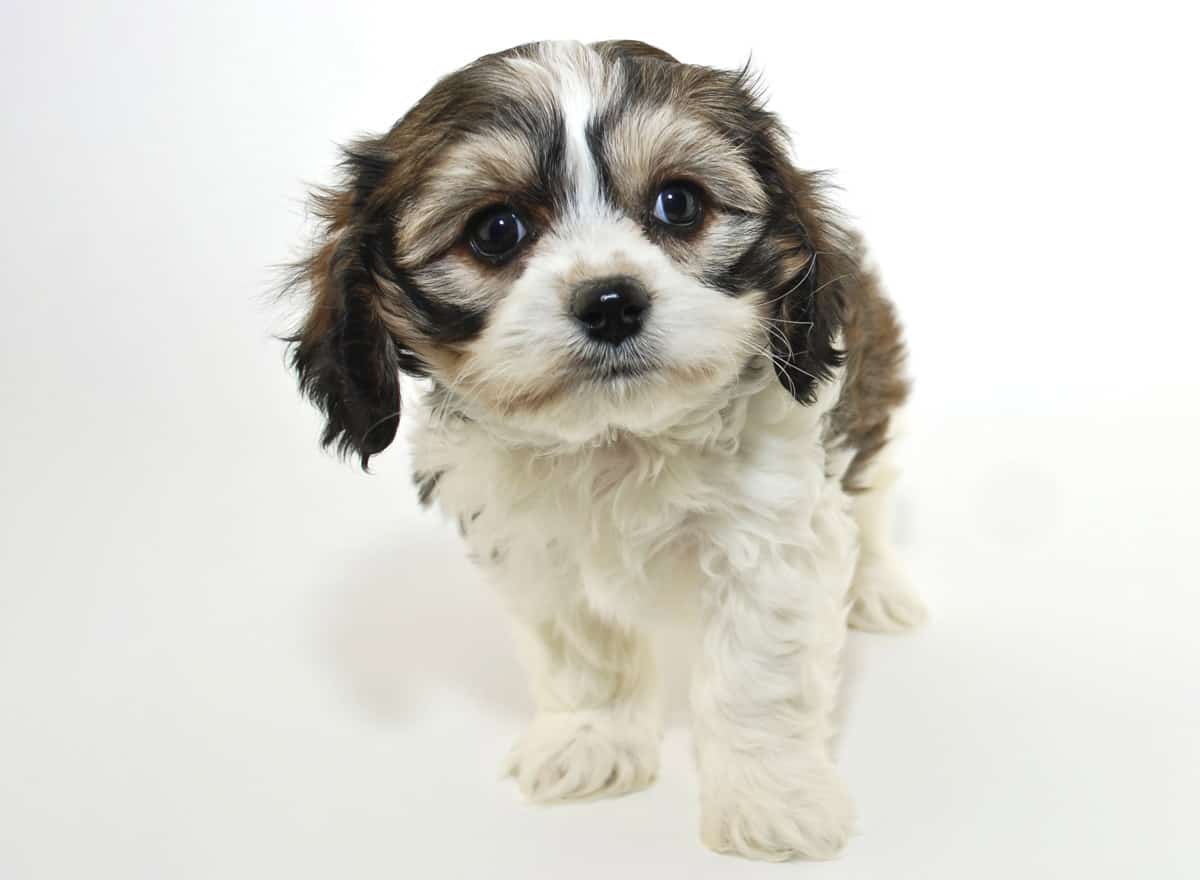
If you are not able to guess, a Cavachon is a cross between a Cavalier King Charles Spaniel and a Bichon Frise. Expanding beyond the Doodle, the Cavachon can still result in a low-shedding hypoallergenic dog.
The Cavachon was first bred formally in the US in the 1990s primarily for companionship. Now popular on a global scale, Cavachons have especially won the hearts of England.
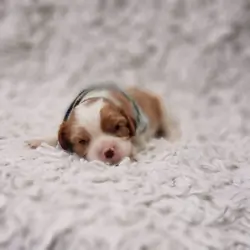
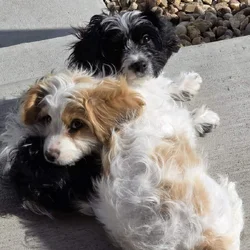
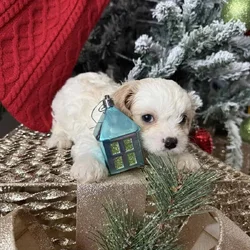
The Cavachon for sale is unpredictable in looks and disposition by virtue of being a crossbreed but has several common physical traits.
A Cavachon can have three types of coats.
Colors are usually cream, white, or pied (base color of white with sparse patches of brown, cream, or tan).
Both the Cavalier King Charles Spaniel and Bichon are sweet, friendly, and loving dogs. The Bichon Cavalier King Charles Spaniel mix produces pups that are similarly affectionate and eager to please.
Cavachons get along with kids and other dogs. In either case, you need to take the normal precautions for a small dog. A Cavachon is not fragile, but children should be mindful so as not to stumble, sit or fall on the dog. You will want to supervise toddlers and young children closely around your Cavachon. Discourage rough handling, teasing, or cruelty. Dogs over 75 pounds can also prove a menace to a Cavachon because of the significant size difference.
Unless you obtain a Cavachon puppy from a rescue or shelter or stumble across someone with an unwanted litter, do not be surprised to pay more than you would for a purebred Bichon Frise or Cavalier. Acquiring a pup from a local area nearby is ideal because it is easier for you to visit a prospective new dog before a final purchase decision. Hopefully, you can also see the parents. You should pick a puppy that is bright-eyed, alert, and active. Avoid pups or adults that are skittish or overly pushy unless you enjoy a project, Luckily, aggression and timidity are uncommon in well-socialized Cavachons. You should stay away from a litter if any of the puppies show signs of discharge from the nose or eyes or diarrhea. Adult Cavachons are rare compared to pups, but you can find them.
Reflecting the longevity of the parent breeds, the Cavachon typically lives 11 to 15 years.
Big or small, dogs have much of the same feeding requirements from one breed to another. When you make a selection from a litter of Cavachon puppies for sale, you hopefully can get a sample of the food they have already been eating. It will give you a chance to make a slow transition to the food you ultimately want to switch to. A Cavachon needs 525 to 800 calories a day depending on age and weight. Growing puppies need to consume more food while seniors usually require less. All ages should get high-quality proteins from animal sources. If you feed fresh whole foods, whether lightly cooked or raw, it is often easier to maintain your dog's weight by using percentages rather than calories. With this model, you would feed an adult 2% to 3% of its body weight in food daily. Puppies might eat up to 6% or more and active dogs would get 3.5% to 4% of their body weight in food. Dogs also require vitamins and minerals, including a specific ratio of calcium to phosphorus. Finally, you need to include fats. The most common sources of fats for dogs are plant or fish oils. Some whole food diets also use seeds and select nuts. Use caution with nuts because many are toxic to dogs even in low amounts. Discuss carbohydrates with your veterinarian. Some feeding models call for greens and berries that will provide antioxidants while others see carbs as unnecessary for canids. Some Cavachons may exhibit food allergies or intolerances to grains or some meat proteins.
Cavachons are laid-back, easy-going dogs when it comes to exercise. Their relatively low activity makes them more appealing than Doodles in the eyes of some owners. You should provide 35 to 45 minutes of daily exercise split into at least two sessions. Mental stimulation is also important to prevent problems that can arise from boredom. Great mental acrobats for this breed are training, interactive games, agility, tricks, and imaginative food puzzles.
The Cavachon's prey drive is unusually low. This combined with their attentiveness to their owners makes them resistant to distractions during training. Cavachons are eager to please, further enhancing their trainability. A major training challenge is the Cavachon's sensitivity. It is intolerant of forceful or harsh training techniques. Instead, the Cavachon responds most positively to encouragement, praise, and rewards. Your Cavachon may pose difficulties in housetraining. Its revulsion to being apart from you can make crate training an uphill battle. You must be persistent and either take your puppy out frequently or try to keep the crate by your side at all times. Accidents arise not through a lack of intelligence or understanding on the part of your pup but rather because a small-breed youngster has an exceedingly small urinary bladder.
A Cavachon requires frequent brushing (about every other day) to prevent tangling of its hair, regardless of the texture you end up with. Many owners keep the hair styled in a Teddy Bear cut whereby the body is fairly short and the ears a little longer. You also should pay attention to cutting the nails every month, bathing the coat every six weeks, and cleaning the ears every two weeks.
Some breeders offer two different sizes of Cavachons. A Toy Cavachon is eight to ten inches tall at the shoulders and only weighs 10 to 15 pounds. Those that are below eight pounds run into increased risks of heart failure and hypoglycemia (low blood sugar). Beware that breeders may demand premium prices for undersized puppies. Perform due diligence and select active puppies that appear to be thriving.
Sponsored picks
Affiliate disclosure: purchases made through these links may earn PetClassifieds a commission.

Grain-Free • Novel Protein • Gut-First Nutrition Give your dog a meal built for wellness w...

Grain-Free • High-Protein • Advanced Digestive Support Brothers Turkey Meal & Egg recipe i...
Dogs bring out the good in us, and Pedigree dog food brings out the good in them. Show you...


