

Turkey & Egg Dog Food
Grain-Free • High-Protein • Advanced Digestive Support Brothers Turkey Meal & Egg recipe i...
Grain-Free • High-Protein • Advanced Digestive Support Brothers Turkey Meal & Egg recipe i...
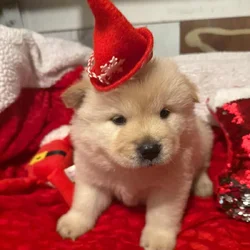
Get a notification when new listings match this search.
Alert me on this search

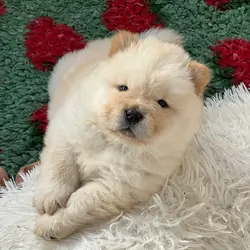
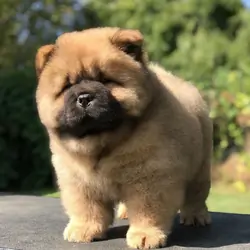
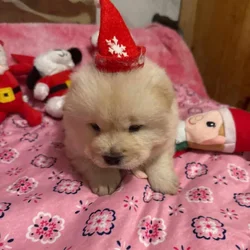
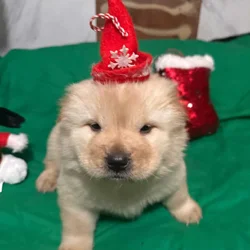
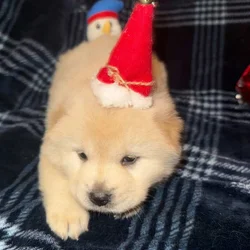
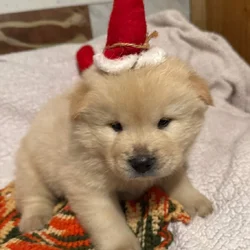
The Chow Chow is a popular medium-sized dog with roots in China. Fiercely devoted and protective, Chows make excellent guard dogs and loving companions. Often regarded as one-person dogs, Chow Chows can learn to bond with people within and outside of the household. Chows remain ideal for small families with older children and a single other dog or no pets.
As of the 2020s, the Chow is among the most popular companion dogs. Its beginnings, however, were much different. Very close to where domesticated dogs branched from wolves, Chow Chows were not considered pets until the late 1800s. Even in England, they were initially treated as exotic animals that belonged on display. Chows likely originated in Siberia and other Arctic areas of Asia around 980 BC. These squarely-built lion-like dogs were used in war and traveled with nomads through Mongolia into China.
The Chow Chow was present in China by 200 BC where it served as an imperial guard and companion dog. Around 220 AD, separate kennels bred Chows as hunting dogs that could corner dangerous game. Moreover, the Chow served as a temple and sporting dog in monasteries in Tibet. Chows reached the height of their pampered existence between 600 and 900 AD when they guarded the royal palace and had their own servants and gourmet meals. Simultaneously, Chinese monasteries focused on propagating the blue Chow Chow. From 900 AD to the 1300s, Chow Chows branched. One group continued as elitist guard dogs that only royals and monasteries could own. Not only was general ownership forbidden, but most of the poverty-stricken Populus could not afford the dogs. Another group of Chow Chows in the northern regions of China were farmed for their meat, pelts, and tongues (mythical medicinal properties). They also herded other livestock and pulled sleds. Chow Chows arrived in Europe in the 1700s and in America by the 1800s. Even as late as 1865, Chows were considered wild dogs. Showing the breed formally began with a black Chow Chow named Chinese Puzzle in 1879. The AKC accepted Chow Chows in 1903. As of the 2020s, Chows are mostly loyal family pets.
Chow Chows are distinct from all but a few breeds because of their blue-black tongues. They belong to the Spitz family with requisite dense dual fur coats, small upright triangular ears, and curly tails. Chows differ from other Spitz dogs by having massive and round heads whereas other breeds have a more pronounced wedge-shaped skull. Chow Chows also have a shortened muzzle that stands out from other family members. A Chow is further characterized by a compact and powerful body with a long sturdy neck, dark oval-shaped eyes, muscular shoulders, straight hocks, and a broad deep chest. This breed is usually 18 to 22 inches tall and weighs 40 to 70 pounds. Chows have a free and loose gait despite their short strides. Furthermore, a Chow's straight hocks make its gait appear stilted.
A Chow has one of two coat types. In either case, the dog has a characteristically dense double layer of fur.
Chows are well-protected against cold weather, although their short snouts make them more vulnerable than other dual-coated Spitzes. These dogs shed copious amounts of their undercoat in the fall and spring.
Red Chows can come in various shades from deep mahogany to golden to almost apricot in color. Although red Chow Chows are most common, there are several other official colors.
Chows Chows often remind their owners of cats because of their fastidious cleanliness and independence. They are loyal and loving despite their tolerance for being alone. Chows make effective guard dogs, proving reserved and stand-offish with strangers. How well you socialize your dog can affect how graciously she accepts your guests. You can train many Chows to be polite with your company. Some dogs will always react with open hostility to visitors and never warm up while a few Chows are generally friendly and outgoing. Many Chows show protective aggressiveness even as young puppies. Likewise, Chow Chows tend to be territorial against other dogs. They can learn to live in the family home with other pets with early exposure. A Chow needs intense socialization to fit in with children. Again, these dogs will do better with kids if they are raised together. Chows should never go unsupervised around small children or little pets. Older youths are more suitable for Chows as this breed can be serious without much humor for games and playing.
A Chow is a healthy medium-small to medium-large breed with a life expectancy of 11 or 12 years.
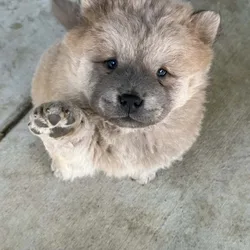
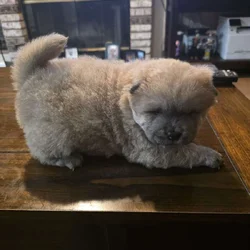
You are not likely to encounter any trouble finding a Chow Chow puppy for sale locally. Such litters, however, should obligate you to visit potential puppies in person. Speak with the breeder and get a feeling for how she or he treats their puppies and their business. Pups should be clean, although do not expect all Chow Chow puppies for sale to be quite as outgoing as other breeds. Avoid pups with unkempt fur, diarrhea, or discharge from the eyes, mouth, or nose. Stay away from breeders who want to charge exorbitant prices for a black or blue Chow Chow or those advertising unrecognized "rare" colors such as merle or lilac. Health tests such as hip, elbow, knee, heart, and eye certifications performed on the parents are a huge plus.
The goal of a Miniature Chow is to achieve a dog 15 to 16 inches tall that weighs between 25 and 35 pounds. It is difficult to get mini Chow Chow puppies because their size at maturity is unpredictable, even if you breed two runts together. Often the height shrinks to under 19 inches, but the dog's weight remains between 40 and 70 pounds. Therefore, breeders may try to introduce a dwarfism gene that is fraught with unpredictable health problems and marked by intensive inbreeding. The most viable method of producing a miniature Chow Chow is by crossing a purebred with a Pomeranian, Chihuahua, or Corgi. Such hybrids look close to Chows but lack the features that Chow lovers expect. Sometimes advertised as teacup Chow Chows for sale, the miniature Chow does not approach the dimensions of other Teacups. Chow Chows that are below the breed standard size requirements are not acceptable to the major breed registries.
Chow Chows require extensive care for several reasons.
Your work with your Chow puppy should begin as soon as you get it home. With the optimal socialization window closing at the age of 12 to 16 weeks, your Chow has a short period to acclimate appropriately to what it will likely encounter throughout its life. A primitive breed requires a careful and nurturing approach to control some ingrained behaviors that resist training (protectiveness, hunting, aggression towards intruders, and resource guarding). For these same reasons combined with strong independence, Chows are among the most difficult dogs to train in obedience. Other considerations for your puppy include feeding it three or more meals daily and introducing it to a groomer. Such measures will give your Chow the best chance to grow into a well-adjusted and reasonably social dog.
Sponsored picks
Affiliate disclosure: purchases made through these links may earn PetClassifieds a commission.

Grain-Free • Novel Protein • Gut-First Nutrition Give your dog a meal built for wellness w...
Grain-Free • High-Protein • Advanced Digestive Support Brothers Turkey Meal & Egg recipe i...
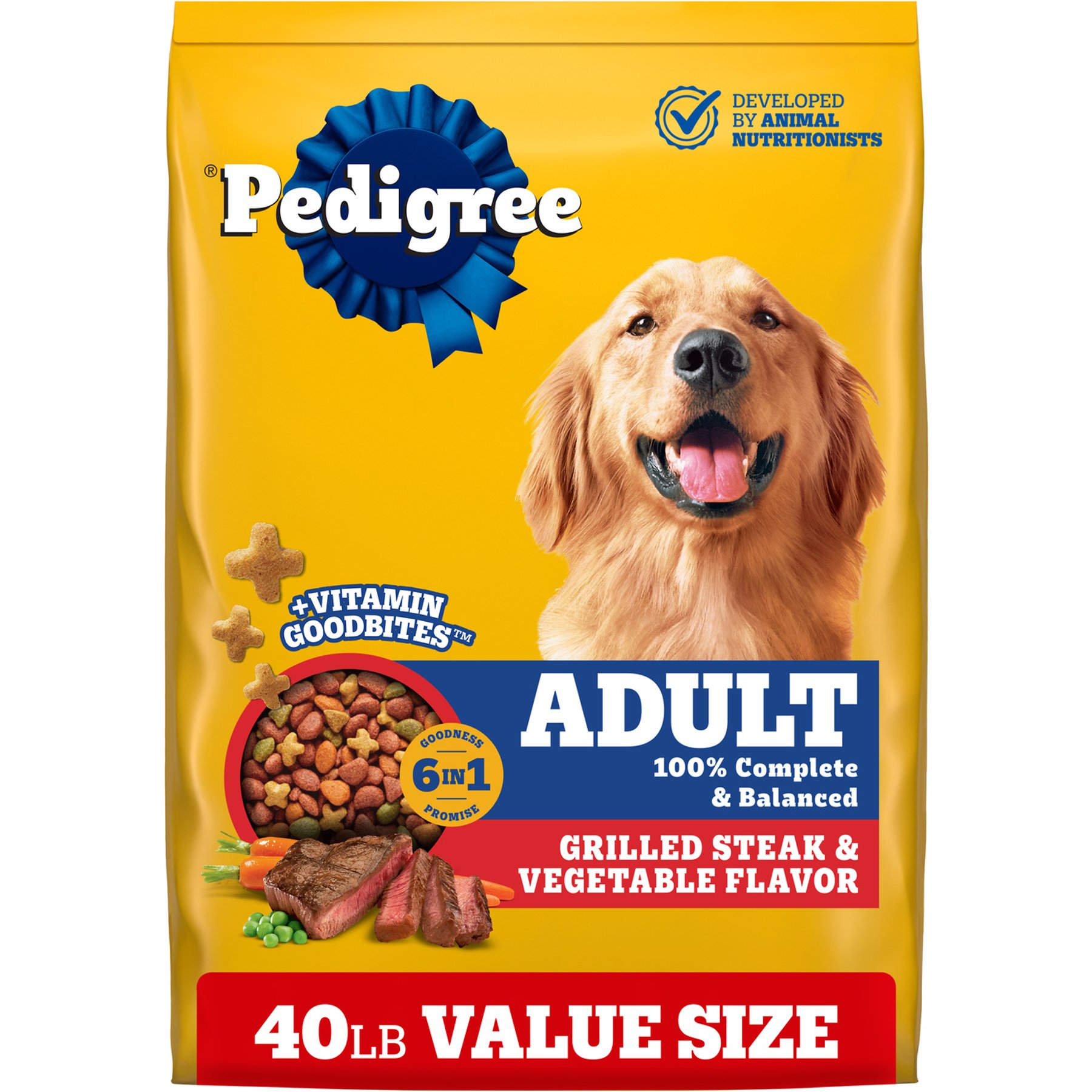
Dogs bring out the good in us, and Pedigree dog food brings out the good in them. Show you...


