

Venison & Egg Dog Food
Grain-Free • Novel Protein • Gut-First Nutrition Give your dog a meal built for wellness w...

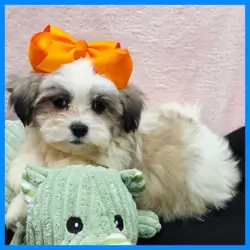





Grain-Free • Novel Protein • Gut-First Nutrition Give your dog a meal built for wellness w...

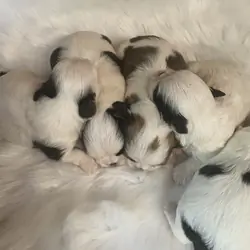



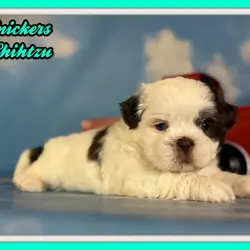






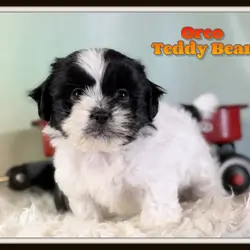



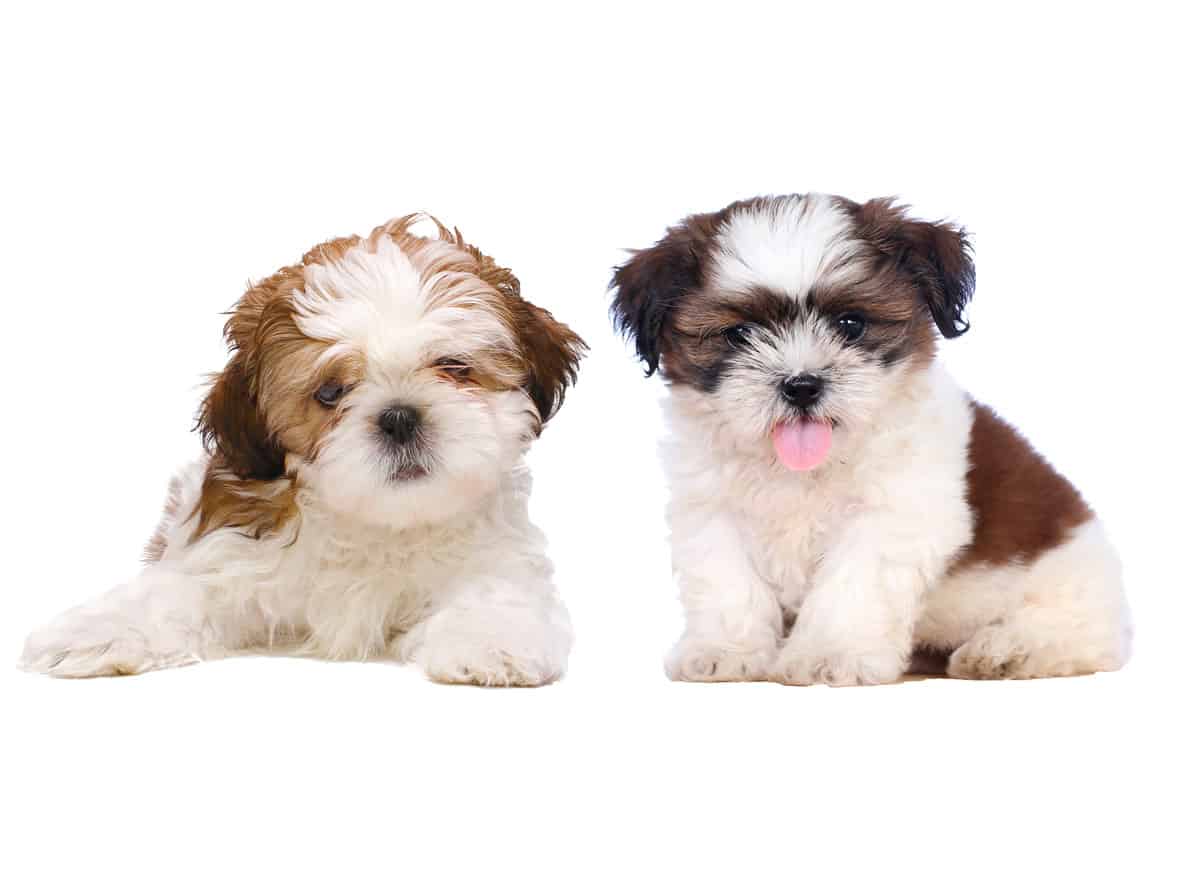
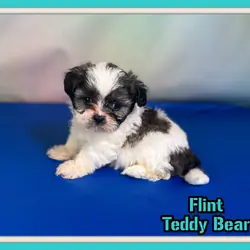
Whether you are searching for a show champion or a pet Shih Tzu for sale, they all should have the classic look of a tiny lion after which they are named. A Shi Tzu has a round, balanced head that is wide between the eyes and the ears. The snout is flattened in front and square when you view it from the sides. Shih Tzus have dark eyes except in chocolate- or blue-colored dogs. Their ears are large, low-set, and floppy with long, thick fur. You should notice the dog is moderately longer than tall with significant shortening of the legs. Shih Tzus carry their heads and tails high, the latter curled over the back with plumes. A Shih Tzu should be eight to twelve inches tall at the shoulders and weigh between nine and sixteen pounds.
A Shih Tzu has a long double coat. If you have the time, you can get your dog's flowing locks to reach the ground. Puppies do not acquire their adult coats until they are nine months to a year old, but their transformation begins around 16 to 20 weeks of age. While the coat offers some protection against the cold, a short muzzle makes this breed heat intolerant. The double coat is comprised of continuously growing hair which sets it apart from typical fur. It sheds minimally, like human hair. For many people, the Shih Tzu’s hair can prove hypoallergenic. The greatest shedding occurs as your puppy starts to replace its baby fur.
Shih Tzus can have a range of coat colors.
Shih Tzus have a disposition in keeping with their expressions. They are alert, lively, and pleasant. They get along with children, but their frames are fragile, belying the sense of solidity you get when you pick them up. Because of their size, Shih Tzus do best with older children. They likewise do better with other dogs similar to their size. Well-socialized dogs can befriend cats. Shih Tzus should not be shy or timid and are typically friendly with strangers. They make good watchdogs, barking at intruders, announcing arrivals, and warning of any suspicious activities. When choosing a puppy, make sure the individual is curious about its surroundings and looks bright-eyed, strong, and active. Adults should be outgoing, cheerful, and friendly.
Following a common trend in dog breeds, the origins of the Shih Tzu are slightly murky. The one sure aspect of their history is an Asian origin. Many experts feel they have sufficient evidence to say the emergence of the little dogs began in Tibet as early as 624 AD. Tibetan monks likely played the largest role in the Shih Tzu's development. Historians go on further to say these same monks gifted Shih Tzus to Chinese emperors from the Tang to the Ming Dynasties spanning the years between the 620s AD and the 1640s. Shih Tzus were originally temple watchdogs to warn of both human and canine intruders. The Dowager Empress of China, Tzu Hsi, received a gift of a breeding pair of quality Shi Tzus. Ruling between 1861 and 1908, Hsi cemented the breed's standing as a companion dog of Chinese royalty. Probably crossbred with Pugs and Lhasa Apsos in its formative years, the Shih Tzu had an official breed standard by 1935. It joined the AKC in 1969.
If you find Shih Tzu puppies for sale near you, take advantage of easy access to visit your new potential pup in person. Many people might underestimate the benefits of visiting Shih Tzu puppies for sale on site. However, you can see how a breeder raises their dogs and whether they care about the animals. Things to note are how clean the resident dogs and facilities are, availability of at least the mother for viewing, and interaction of the puppies with each other and the people in their current home. The breeder is often willing to send a sample of the puppy's food with you to ease the transition to the brand you choose.
Shih Tzus are a healthy breed. The life expectancy of a Shi Tzu ranges from 10 to 16 years. Visiting a prospective pet is more important as the AKC has no recommended tests for these dogs, indicating the relative rarity of hereditary problems. Even OFA statistics report scarce problems with dogs tested as of 2020 with the greatest concern being degenerative myelopathy. Most Shih Tzus have normal knees, elbows, and hips, cardiac function, and eyes.
When you hear the term Chinese Imperial Shih Tzu, you might initially think it is larger than the usual breed standard. The opposite is true; an Imperial and teacup Shih Tzu both refer to a dog that has been selectively bred to be much smaller than normal. They also go by names like munchkin and miniature Shih Tzus. Most are under nine inches in height and weigh between four and nine pounds. Like teacups of other breeds, they are not recognized officially as either a separate breed or type. Many teacups are the result of a careful selection of the smallest dogs to breed. Others involve crossbreeding with smaller dogs such as the Chihuahua.
When it comes to grooming your Shih Tzu, some of the popular haircuts will sound familiar because they also suit other breeds. The show cut involves minimal trimming since you want to show off your dog's abundant coat to its full potential. You need to brush it two or three times daily once it reaches its full length when it should drag along the ground. Owners of show dogs typically use special tools and techniques so as not to break or damage the hair. Other hairstyles are much more practical to maintain.
You also need to bathe your Shih Tzu regularly, trims its nails, brush its teeth, and check its ears and skin for any redness or other signs of infection.
In a few ways, feeding a small dog such as a Shi Tzu may be more of a challenge than a large breed. Canned dog food and raw diets may be cost-prohibitive for a Bernese Mountain dog but not nearly so much for a Toy breed under 10 pounds. Furthermore, tiny dogs may have to fight off the threat of low blood sugar. Finally, there are a plethora of consumer choices.
The key to providing a good diet for your Shih Tzu is to learn how to read all labels. Meat should be among the top few ingredients. In dry kibble, meat ideally is the No. 1 ingredient. Wet food will contain water as the first ingredient, but the next few should be mostly meat. Commercial foods use various fat sources. Animal-based fats work best for dogs, but they can utilize various plant oils like olive, safflower, and the unique medium-chain triglyceride coconut. Your veterinarian may recommend limiting fats or carbohydrates in a breed prone to excessive weight gain.
An adult Shi Tzu requires about a half to a full cup of high-quality food daily depending on age, activity level, underlying health, and metabolism. Most adults will maintain an optimal weight with 25 to 30 calories per pound. Puppies may need two to three times the food intake of an adult per their weight. Small pups may require free-feeding even beyond the typical eight weeks of age.
Shih Tzus need about an hour of exercise a day. Exercise keeps your pet fit, helps maintain its ideal weight, and should provide mental stimulation. You should break up activity sessions over at least two periods. Puppies can have much of their activity focus on socialization. Mental stimulation can involve puzzles, interactive games, and basic training.
Despite their low rank in working obedience, Shih Tzus tend to be empathetic to their owners with a high degree of emotional intelligence. This trait befits a companion dog. Shih Tzus can serve well as emotional support animals. They are also quick to learn tricks that may manipulate family members. Training requires lots of repetition and positive rewards.
Sponsored picks
Affiliate disclosure: purchases made through these links may earn PetClassifieds a commission.
Grain-Free • Novel Protein • Gut-First Nutrition Give your dog a meal built for wellness w...

Grain-Free • High-Protein • Advanced Digestive Support Brothers Turkey Meal & Egg recipe i...
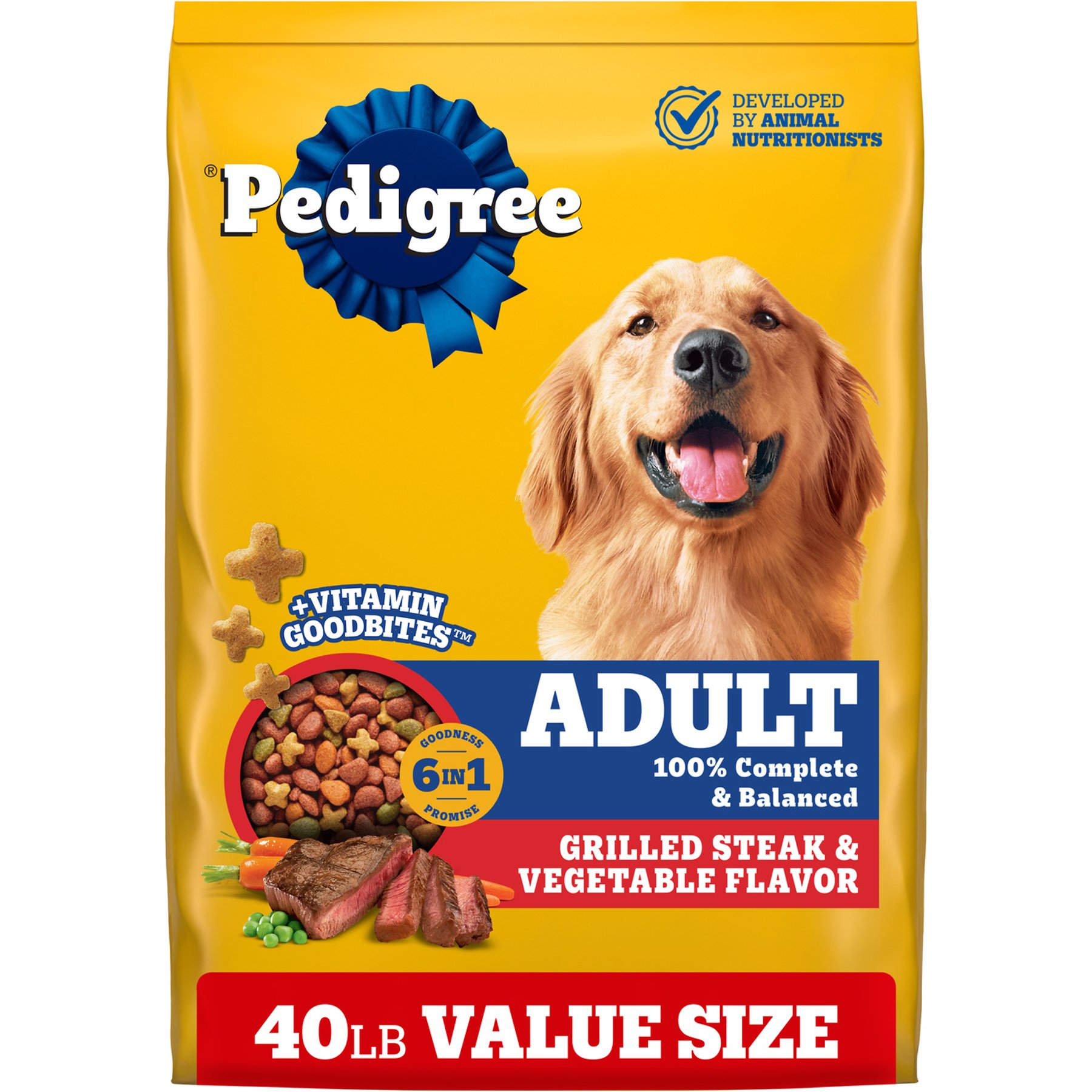
Dogs bring out the good in us, and Pedigree dog food brings out the good in them. Show you...


