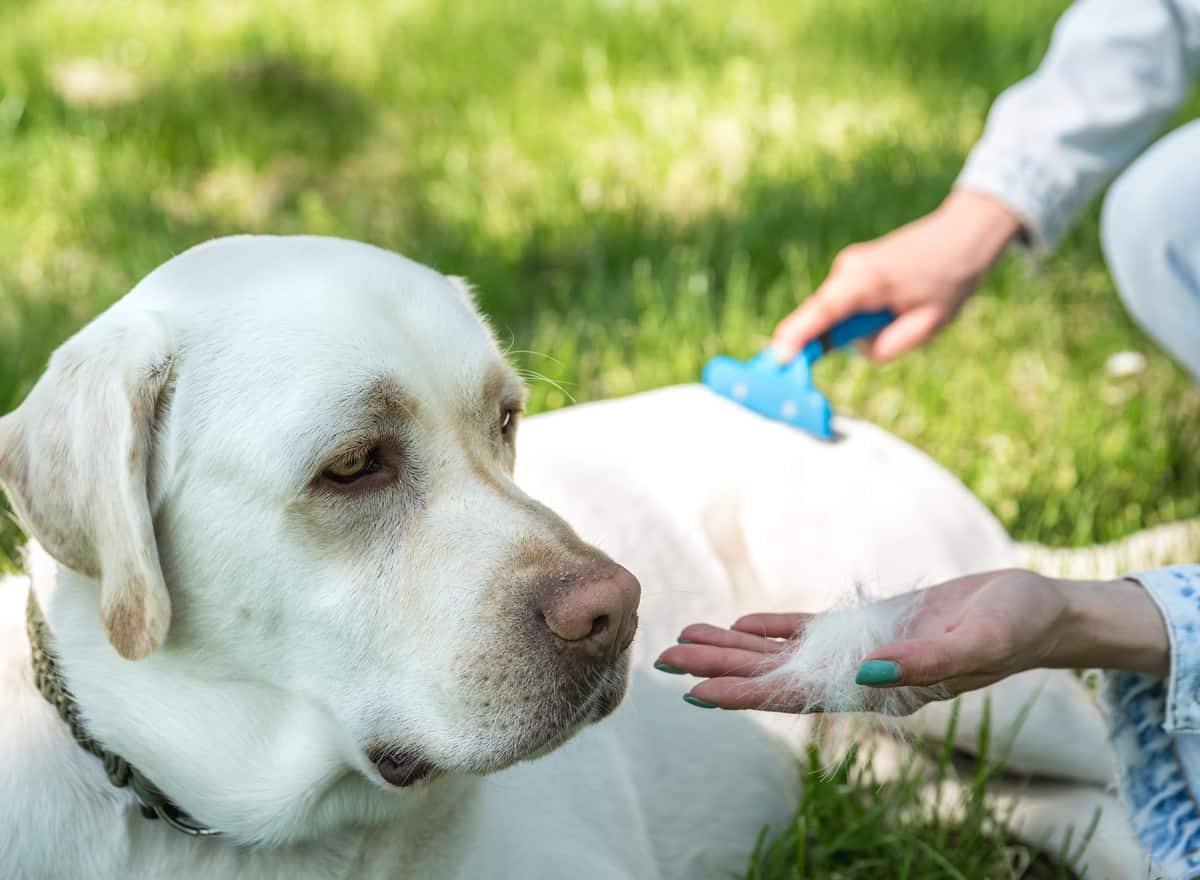
Grooming, along with health checkpoints, is very important for your dog's health and should be done on a daily basis. Because grooming requires close physical contact, it helps develop a stronger bond between you and your dog. Build a daily grooming routine within the first week after adopting your new dog or puppy and continue it throughout your dog's life.
Tools You Need Before You Start
Before grooming starts, make sure you have the right tools ready. If you are grooming a puppy, ask your veterinarian which tools are best for that age and coat type. For adult dogs, you usually need a regular grooming brush or, for long-haired breeds, both a regular brush and a slicker brush. Keep enough clean towels nearby for drying after baths, and use a mild shampoo formulated for your dog's age and breed.
Step-by-Step Grooming Routine
Start by rubbing your dog's coat with your fingertips against the grain. This helps loosen dirt, dead skin, and loose hair while also giving your dog a light skin massage. As you do this, check for sores, irritation, or signs of infection.
Next, brush gently against the grain to lift out debris and dead hair. While brushing, inspect the skin for abnormalities such as lumps, bruises, or bites. Then brush with the grain until the coat is clean and smooth. Finish by rubbing the coat with the palm of your hand to redistribute natural oils and improve shine.
Bathing and Dental Care Tips
Brushing your dog's teeth is optional but useful for reducing tartar buildup and preventing oral issues. When bathing, avoid soap around the eyes and ears and never spray water directly into your dog's face. Use warm water, rinse thoroughly, and remove all shampoo residue. Towel dry as much as possible, then allow gentle movement to complete drying. Avoid frequent baths, because overbathing strips essential coat oils that help protect skin and repel water. In cold or wet weather, only bathe your dog when it can dry fully in a warm, dry place.