There are many misconceptions about American Pit Bull Terriers. Media coverage, misunderstandings about the breed's history, and poor ownership practices have all contributed to a reputation of danger. At the same time, many experienced owners describe pit bulls as loyal, playful, affectionate, and strongly people-oriented.
Before searching for pit bull puppies for sale, it is important to understand the breed's background, behavior patterns, and training needs.
Understanding the Breed's History
The American Kennel Club (AKC) does not formally recognize "American Pit Bull Terrier" as a single AKC breed category. In common usage, "pit bull" often refers to dogs with overlapping physical and temperament traits from breeds such as Staffordshire Terriers, Staffordshire Bull Terriers, and Bulldogs.
Historically, these dogs were connected to bull-baiting in 19th-century Britain, and later to dog fighting in the United States. Over time, however, many also shifted into roles as companions, working dogs, and service dogs. In the mid-20th century, pit bull-type dogs were widely represented as family pets and appeared in military and popular media contexts.
This history matters because selective breeding can amplify or reduce behavior tendencies depending on bloodlines, socialization, and training quality.
Pit Bull Background
The American Society for the Prevention of Cruelty to Animals (ASPCA) has published educational material about pit bull history and behavior. Their position emphasizes that selective breeding affects the modern dog's temperament profile. Experts also note that lower tolerance toward certain animals does not automatically translate into aggression toward people.
Pit Bull Aggression and Socialization
Because of historical use in dog fighting, some pit bull-type dogs may show reactivity around other dogs if poorly socialized. Early social exposure and structured, positive training are critical. Puppies that learn calm interaction with people, dogs, and other environments are less likely to develop problematic adult behavior.
If you are considering buying a pit bull puppy, evaluate the breeder carefully. Avoid inexperienced or opportunistic breeders focused on quick sales rather than temperament, health, and responsible placement.
Typical Characteristics
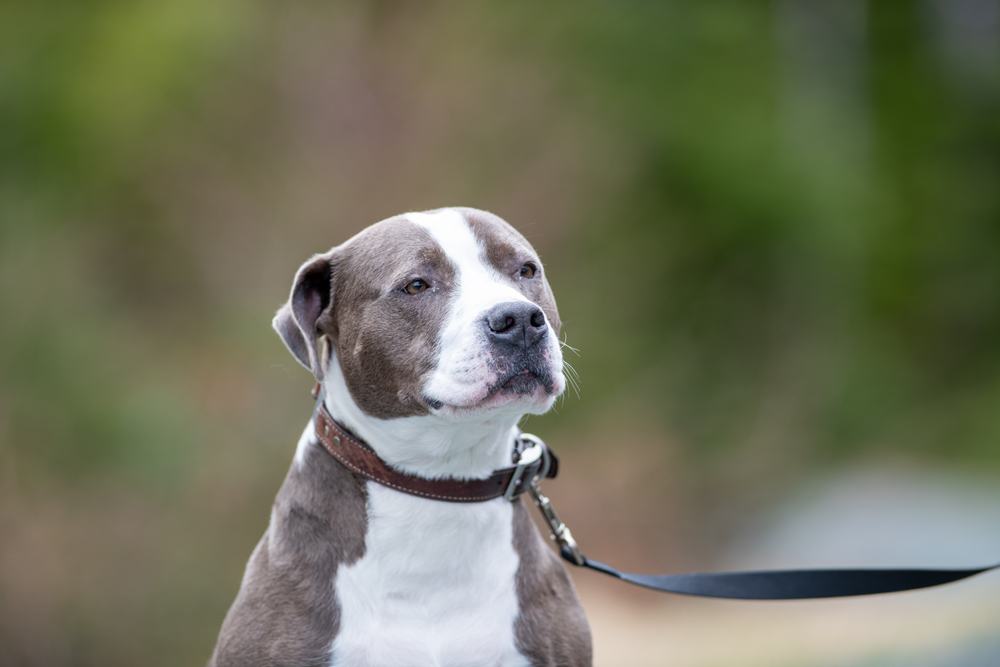
Pit bull-type dogs are commonly described as muscular and compact, often around 17 to 19 inches at the shoulder and 40 to 70 pounds depending on lineage and sex. Their short coat appears in many colors. Coat color trends can affect price, but appearance alone should never be your primary selection criterion.
Pit Bull Personality
Many pit bull owners report that well-bred and well-socialized dogs are affectionate, people-focused, and eager to engage. They are often energetic and require consistent handling, exercise, and mental stimulation. Ownership usually demands more structure and commitment than many first-time owners expect.
Final Considerations
If you are thinking about adding a pit bull to your home, approach the decision with clear expectations. Research breeder quality, prioritize early socialization, and commit to consistent training. With responsible ownership, many pit bull-type dogs become stable, loyal, and deeply bonded companions.