Hypoallergenic Cats for Sale & Adoption (Breeders, Owners & Rescues)
Looking for a specific breed? See All Cat Breeds. Just want a kitten? See Kittens for Sale.
🛡️ Safety tools 🪄 New cats daily 🐾 Free contact — no fees
Browse over 150 hypoallergenic cats for sale and adoption near you. Compare low-allergen breeds like Siberians, Balinese, and Sphynx. Not sure which breed is truly safe? Read our expert guide below the listings.
Hypoallergenic Cats: The Myth vs. The Reality
Let's be honest: you're here because you love cats but you're allergic. You've heard of 'hypoallergenic' breeds, but you're not sure if they're real. Here's the truth, backed by science: there is no such thing as a 100% allergen-free cat.
But (and this is a big but), there are cats that are less allergenic. This guide will help you understand the breeds you see in the listings above, separating the scientific reality from the popular myths.
What's Really Causing Your Sneezes? (It's Not the Fur!)
The first myth to bust is that you're allergic to fur. You're not. You're allergic to a microscopic protein called Fel d 1, which, as research confirms, is in a cat's saliva and skin oils. When a cat grooms, this protein dries on its fur and becomes airborne.
This is the key: A cat's coat (or lack of one) doesn't matter. It's all about how much of this protein they produce. That's why some 'hairless' cats can be worse for allergies than some fluffy ones.
The "Sneeze-Free" Tiers: Which Breeds Should You Trust?
Not all claims are equal. Here's our breakdown of the breeds you see in the listings above, ranked by how much science actually backs them up.
Tier 1: The "Best Bet" (Siberian)
If you have serious allergies, the Siberian is your best bet. It's the only breed with scientific research suggesting a genetic mutation can lead to much lower Fel d 1 levels. But it's a genetic gamble: not all Siberians are low-allergen. Always test your tolerance with the specific kitten's parents before you buy.
Tier 2: The "Good Anecdotes" (Balinese, Russian Blue)
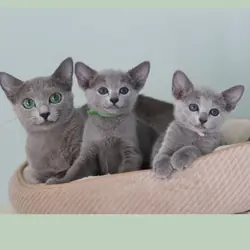
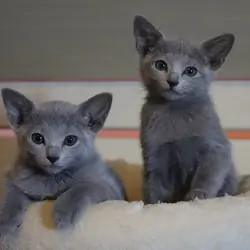
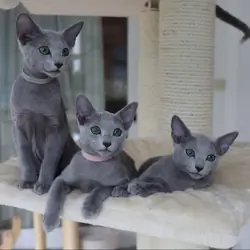
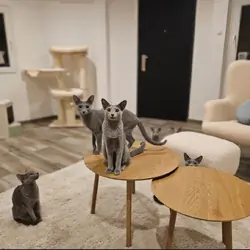
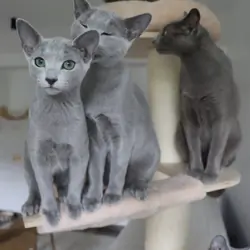
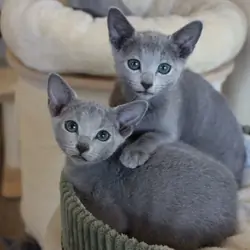
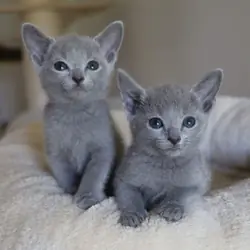
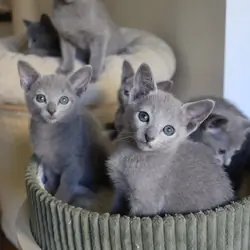
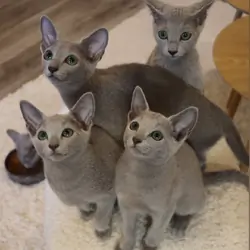
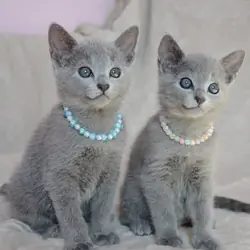
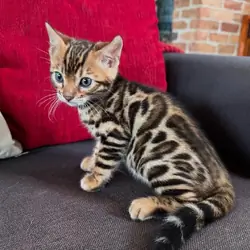
This group includes the Balinese, Russian Blue, Bengal, and Oriental Shorthair. There's no major scientific proof here, but anecdotally, thousands of people with mild allergies swear by them. They are a good option if your allergies are just annoying, not life-threatening.
Tier 3: The "Coat Myths" (Sphynx & Rex)
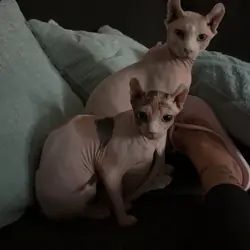
This is the group people think is the most hypoallergenic, but they're often wrong. This includes the Sphynx (Hairless), Cornish Rex, and Devon Rex.
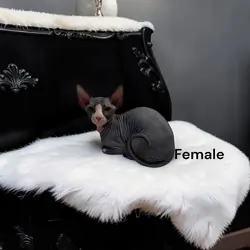
The logic seems simple: less hair = less sneezing. But as we learned, the protein is in the saliva and skin, not the fur. These cats produce normal amounts of Fel d 1. In fact, the Sphynx can be worse for some people, as their sticky, allergenic skin oils get directly on you and your furniture instead of being trapped by fur.
The Single Most Important Factor (It's Not the Breed!)
Your absolute best strategy, backed by science, has nothing to do with breed: choose a female or a neutered male.
Fel d 1 production is linked to testosterone. Unneutered males produce the highest levels of all. By choosing a female or a neutered male, you are scientifically guaranteed to get a cat with a lower allergen load.
Popular Breeds That Are NOT Hypoallergenic
We get this question a lot. Many of the most popular breeds are, unfortunately, not hypoallergenic.
Are Siamese or Ragdoll cats hypoallergenic? No. These breeds, while wonderful, produce normal levels of Fel d 1. The confusion with the Balinese is that the Balinese (which is low-allergen) looks like a long-haired Siamese.
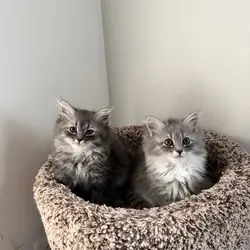
Are Maine Coon or Persian cats hypoallergenic? No. These large, fluffy cats are heavy shedders and produce normal amounts of Fel d 1. In fact, due to their size and grooming needs, they often leave more allergens in the home than a typical domestic shorthair.
A New Solution: "Allergen-Reducing" Cat Food
A recent breakthrough in pet nutrition offers a new solution. Brands like Purina Pro Plan LiveClear use an antibody from chicken eggs in their food. This antibody safely neutralizes the Fel d 1 protein in the cat's saliva. Published studies show it can reduce the active allergens on a cat's fur by an average of 47% in three weeks. This is a great way to reduce allergens from any cat, including one you adopt from a shelter.
Creating a Comfortable Home for Your Hypoallergenic Cat
Once you've found the perfect hypoallergenic cat, it's important to take steps to minimize allergens in your home:
- Groom your cat regularly: Regular grooming helps remove loose hair and dander, reducing allergens in your home. Use a gentle brush or grooming glove, and clean it after each use.
- Maintain a clean environment: Vacuum frequently using a vacuum with a HEPA filter, and wash your cat's bedding, toys, and litter box regularly.
- Use air purifiers: Consider investing in an air purifier with a HEPA filter to help remove allergens from the air.
- Allergy medications: Consult with your doctor or allergist about using allergy medications to help manage symptoms.
Don't Forget Hypoallergenic Cat Litter
Traditional clay litters can create dust that aggravates allergies. Look for hypoallergenic cat litters made from materials like recycled paper, corn, or wheat. These alternatives produce less dust and are often more comfortable for both you and your cat.
Your Final Check: Test Your Allergies First
Remember, you are allergic to a specific cat, not a whole breed. Our best advice? Use the listings above to find a cat you love, then contact the breeder or rescue and ask to visit. Stick your face near the cat. Ask for a blanket the cat has been sleeping on. If you don't have a reaction after an hour, you may have found your match. Use the 'Message' button on the listings to start that conversation.
References & Further Reading
The claims in this guide are supported by peer-reviewed veterinary and immunological research.
- An update on molecular cat allergens: Fel d 1 and what else? (2018)
- Polymorphism Analysis of Ch1 and Ch2 Genes in the Siberian Cat (2017)
- Influence of time and phenotype on salivary Fel d1 in domestic cats (2019)
- Hypoallergenic animals: A promise of hope for allergic patients? (2024)
- Evaluation of anti-Fel d 1 IgY ingredient for pet food on active Fel d 1 in cat saliva and fur (2024)
Selling a Litter of Kittens?
Whether you are a responsible breeder with a new litter or a family with a new kitten, PetClassifieds.com connects you with serious, knowledgeable buyers. Unlike generic social media sites where pet sales are often banned, our platform is designed specifically for breeders. Showcase your kittens, their parents, health testing, and socialization practices to find the perfect home.
Create a trustworthy listing with photos, vet details, and parent information.