



Teacup Puppies for Sale Near You
Find local ads using radius search at petclassifieds.com/ad_category/dogs/ or browse individual breed pages linked below.
Safety tools | New puppies daily | Free contact - no fees
{counts} teacup and miniature dog listings
Popular Small Breeds:
Teacup Puppies for Sale
When you are searching for a small dog, the number of options can feel overwhelming. Teacup and miniature dogs are popular because of size, portability, and apartment compatibility. Once you decide to go small, the selection process is still the same as any other dog search: evaluate temperament, health background, and long-term care needs.
Teacup Dogs for Sale
"Teacup" is not an official breed. It is a label commonly used for dogs that are smaller than the normal range for their breed. Some are naturally on the low end of the breed standard, while others are intentionally bred smaller.
Because the term is unregulated, always ask for exact adult weight estimates, parent sizes, and health records instead of relying on the label alone.
Breeds
Breeds commonly marketed as teacup or ultra-small include:
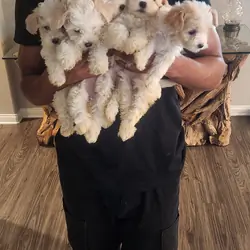
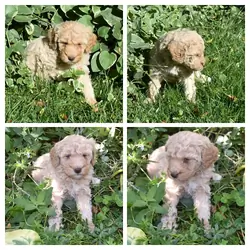
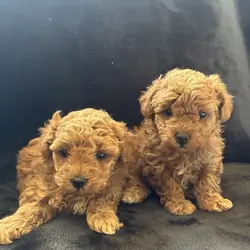
- Poodle: Toy and very small toy lines are frequently listed in teacup categories. View listings.
- Yorkshire Terrier: Often sold in very small size classes, with high grooming needs.
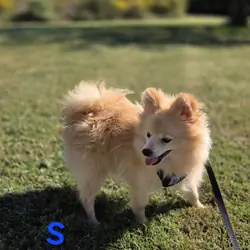
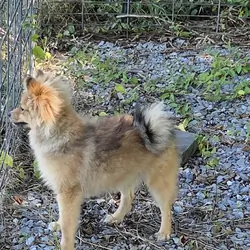
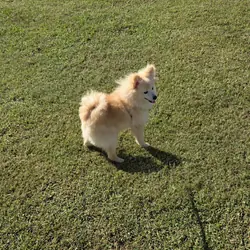
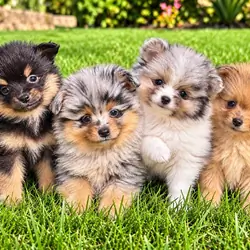
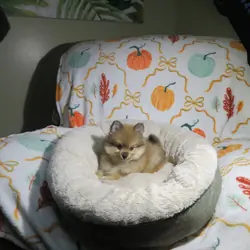
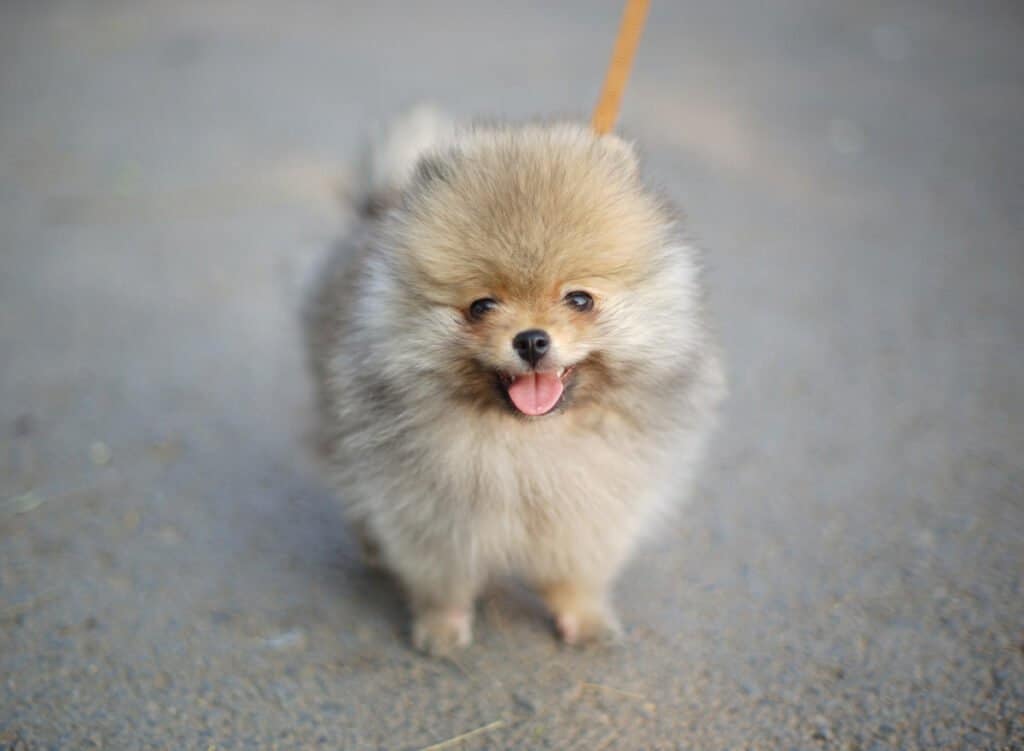
- Pomeranian: Already a small toy breed, often marketed under "teacup" labels.
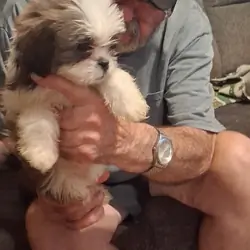
- Maltese, Chihuahua, and Shih Tzu: Common in compact-size listings.
Other breeds sometimes marketed as tiny include Boston Terrier, Pekingese, Bichon Frise, Pug, and Brussels Griffon.
Miniature Dogs for Sale
Miniature and teacup are often used interchangeably in listings, but they are not always the same. "Miniature" usually means an accepted smaller variety inside a breed line.
Common examples include:
- Dachshund: Standard and miniature sizes. Miniature Dachshund listings.
- Beagle: Smaller size classes are frequently listed as pocket or mini. Pocket Beagle listings.
Mixed Little Dogs for Sale
Many small designer mixes are sold in teacup or miniature categories, especially when both parent breeds are already toy-sized. Examples include Maltipoo, Morkie, Cavapoo, and Shichon (Teddy Bear).
With mixes, expected adult size can vary more than in purebred lines, so ask for parent weights and growth history from earlier litters.
Lifespan of Miniature Dogs for Sale
Small dogs often live longer than large breeds, but lifespan still varies by genetics and health quality. Some very undersized lines may have shorter life expectancy due to congenital issues. Others, especially healthier toy lines, can live well into their teens.
How to Choose and Care for the Right Teacup Puppy
The right small dog should match your routine, budget, and experience level.
Training
Small dogs still require consistent obedience training. Do not skip structure because of size. Early crate training, leash habits, and social boundaries prevent long-term behavior problems.
Grooming
Grooming needs depend on coat type. Long coats require regular brushing and periodic trimming. Many tiny breeds also need frequent dental care and routine nail trimming because overcrowded teeth and overgrown nails are common.
Feeding
Teacup and toy dogs can have high calorie needs per pound, but overfeeding is still dangerous. Feed measured portions of high-quality food and track body condition closely. Avoid dramatic diet changes without a transition plan.
Exercise
Small dogs need daily physical activity and mental stimulation. Most do well with short structured sessions throughout the day. Flat-faced breeds need extra heat caution and shorter effort windows.
Controversy and Health
Teacup breeding is controversial because extreme miniaturization can increase risks such as hypoglycemia, heart defects, neurological conditions, fragile bones, and poor resilience. Not every teacup dog is unhealthy, but risk management is essential.
- Ask for full health history of both parents.
- Avoid sellers that cannot show veterinary records.
- Be cautious of unusually low prices or pressure to pay quickly.
Prioritize ethical breeders or rescue organizations focused on health and temperament over size marketing terms.

